In addition to First-party data and Third-party data, Zero-party Data is a concept widely known since 2020 and is recognized by many experts as playing an important role in creating marketing campaigns and implementing personalized activities.
1. Basic knowledge of Zero-party data
1.1 What is zero-party data?
Zero-party data is information and data that customers actively share, which includes all the information that allows businesses to identify and reach customers based on their preferences, behaviors, desires, and intentions to purchase, etc. Zero-party data allows users to express their own preferences, in return providing relevant information from the company that aligns with the customer's personalized needs.
Businesses can collect Zero-party data through various forms:
– Provide quick survey questions based on the actual needs of customers
For example: When a customer visits the BDC bank website, the homepage will understand the single question “What is your goal?”

When users select one of the provided options (managing cash flow; finding the right loan; developing new customers), the next pages and content are immediately displayed in accordance with the previous selection. Later, when returning to the website, users will continue to be prioritized to be shown content corresponding to the previous visit, until the goal of the activity is changed.
– Collecting personally-identifiable information during the interaction between the Agent and the customer on the electronic CRM platform
– Launching a special survey campaign to representative of target customer files (Advocate focus group)
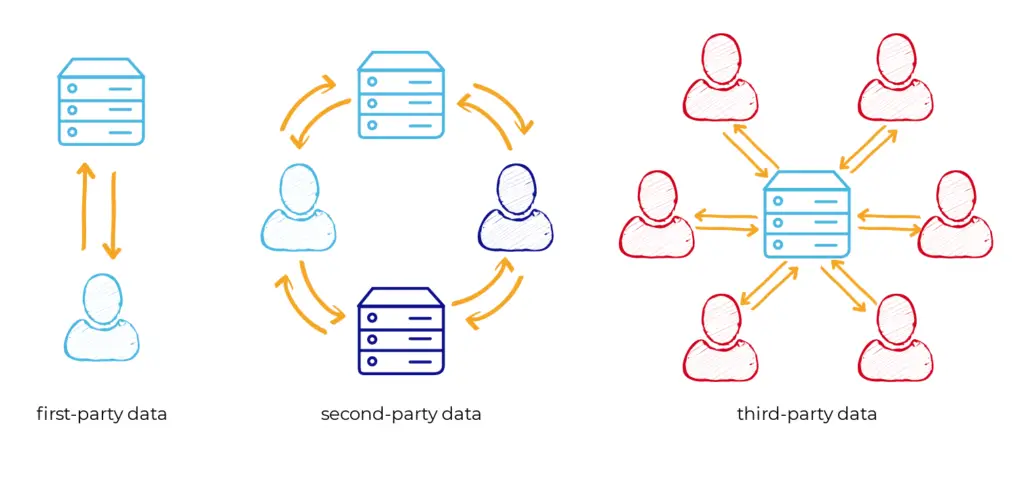
1.2 What is the difference between zero-party data and first-party data, and second-party data?
It provides companies with a deeper insight into customers' needs, preferences, and intentions – unlike first-party data, which can only provide insights from historical purchase data or basic information such as birth dates.
| First-party Data | Data from a third party | Third-party Data | Zero-party data |
| Direct collection through interaction with customers | Indirect collection | Indirect collection | Direct collection through interaction with customers |
| Collected with the customer's consent | Collected with the customer's consent | KH does not know that their data is being used (Depends on the provider) | Collected with the customer's consent |
| Personalized data | Personalized data | Aggregate data | Personalized data |
| High accuracy and reliability | High accuracy and reliability | Low accuracy and reliability | High accuracy and reliability |
| Not to be shared | Shared by parties they truly trust | Shared with some businesses | Not to be shared |
| For example: customer emails, phone numbers, interaction history, support history, information about brands they like, etc. | For example: interactions on websites/social media, product feedback/feedback, customer surveys | For example: income, age, education, websites visited, survey responses. | For example: Products/services interests, preferences, and contact information, etc. |
2. The amazing benefits of Zero-party data for Marketers
Considered a ‘gold mine’ of data, Zero-party data supports:
– Create more personalized experiences
When possessing the basic data of customers, businesses can completely devise suitable marketing campaigns and create many new, personalized experiences for each customer segment.
– Turn every customer into a loyal customer
Increasing customer experience activities are the key to creating differentiation for each business. Each successful implementation idea instills deep brand trust, which in turn transforms every customer into a loyal customer.
– Improve conversion rates
In addition to optimizing content and website experience, zero-party data also helps modern marketing managers improve conversion rates through various other marketing activities such as re-marketing, email marketing, and various activities through unified omnichannel contact centers (omni-channel contact centers).

3. Notes on using Zero-party data
Although it offers many benefits, to ensure the collection of accurate data and its effective application, businesses also need to focus on investing in interfaces and machine learning and AI technologies that are tailored to the needs of each client file, to avoid any unnecessary disruptions in the user experience.
In addition, providing truly useful and authentic information that aligns with user insights is the best way to avoid wasting resources and losing customer trust.
Bellsystem24-Vietnam is ready to advise on implementing comprehensive solutions (combining superior technology) to collect zero-party data for a wide range of businesses – from F&B, production and distribution, to e-commerce (e-commerce)… Thereby, CX (customer experience), loyalty, and conversion rates will be significantly improved – leading to sustainable growth for the brand.